
 EN
EN ES
ESWhat to expect at a DUI checkpoint
July 19, 2026
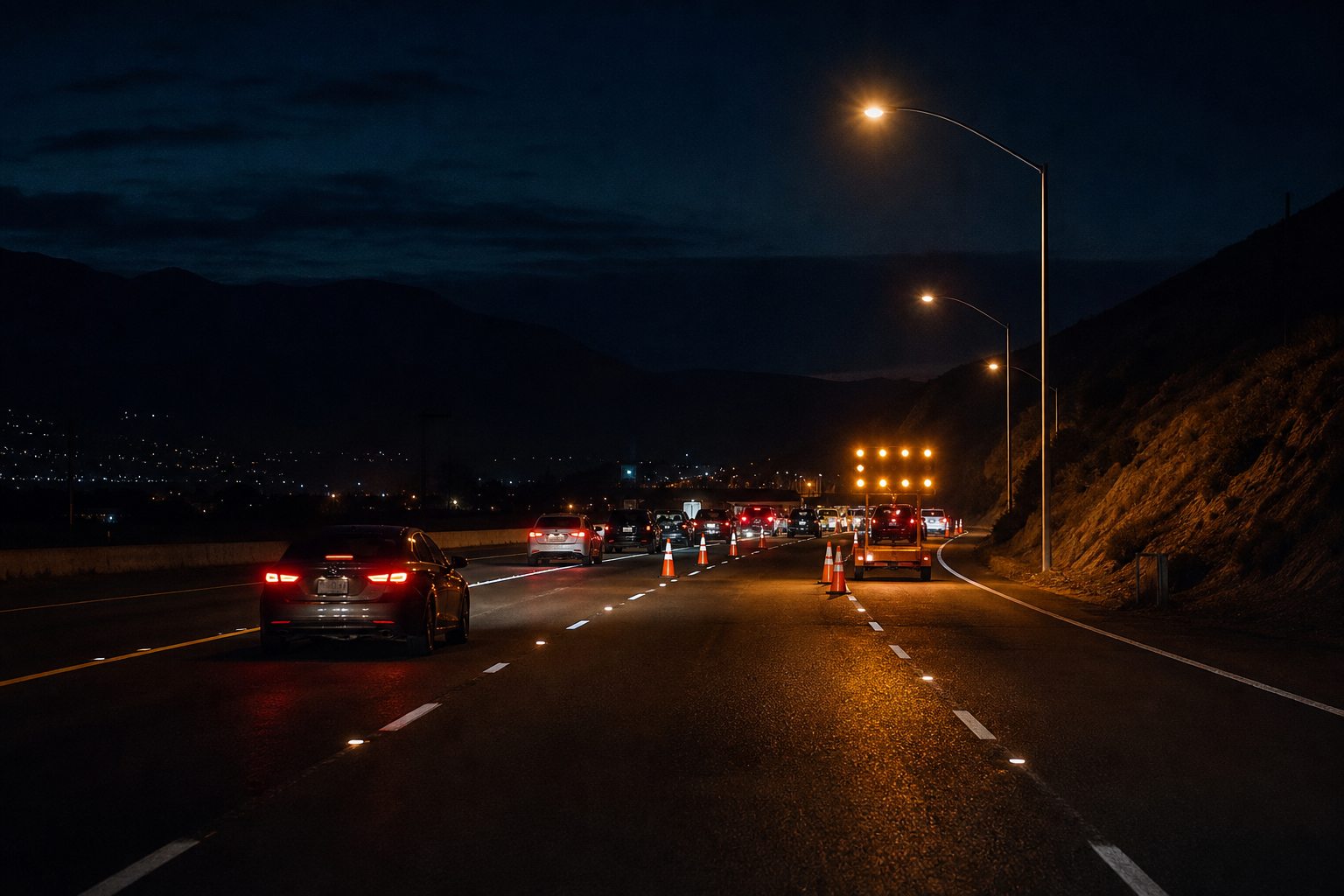
A calm walkthrough of how checkpoints usually work, what officers look for, and how to move through without panic.
DUI checkpoints are one of the most visible pieces of traffic enforcement in many cities. They are also one of the most misunderstood. Knowing the rhythm of a stop helps you stay steady, polite, and prepared.
How a typical checkpoint is set up
Most checkpoints are announced in advance and marked with cones, lighting, and portable signs. Traffic is funneled into a single lane or a short series of lanes. Officers briefly look for signs of impairment, expired paperwork issues, or equipment problems, then either wave you through or ask you to pull aside for a longer conversation.
The stop is usually short if everything looks ordinary. That is intentional. Checkpoints are designed to process volume, not to detain every driver for a long interview.
What officers may ask
Expect basic questions about where you are coming from and whether you have had anything to drink. Keep answers brief and truthful. Have your license, registration, and insurance ready so you are not searching under dashboard light while cars stack up behind you.
What Mr. Checkpoint tracks
Our community reports locations, times, and confirmation status so drivers can plan ahead. We are not a law firm and we do not give legal advice. We publish what volunteers and tipsters send in, then mark posts as confirmed when the evidence is strong enough.
If you see a live checkpoint, submit a tip. If you want the alert the moment it is confirmed near you, subscribe to Telegram alerts on the site.